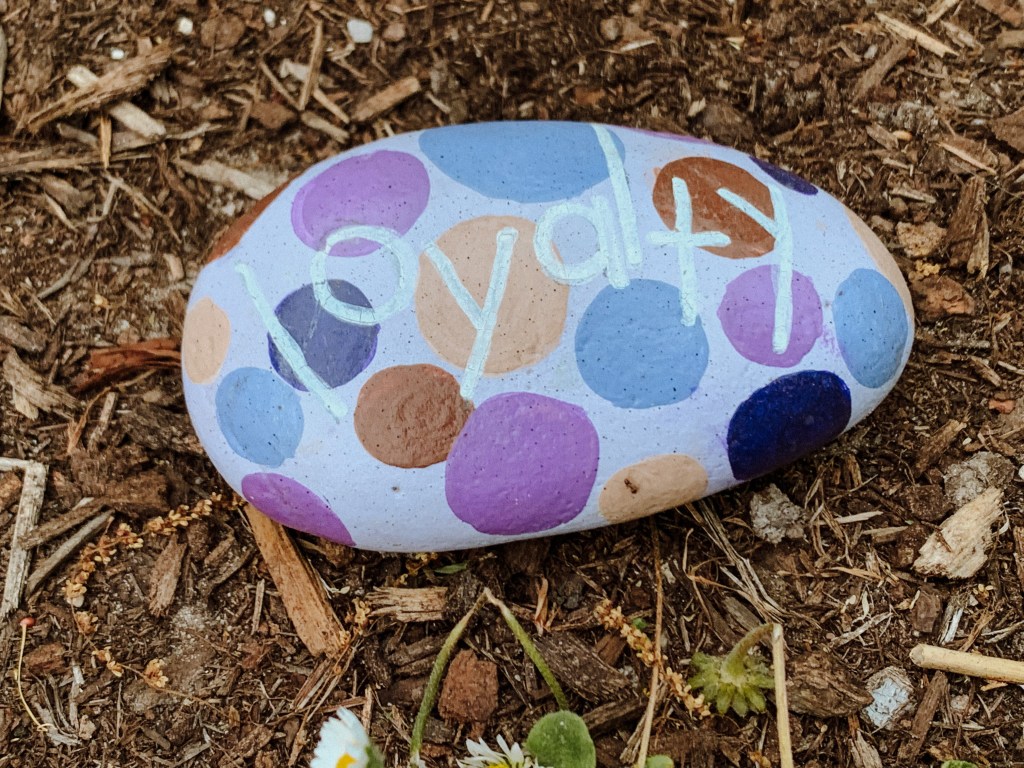
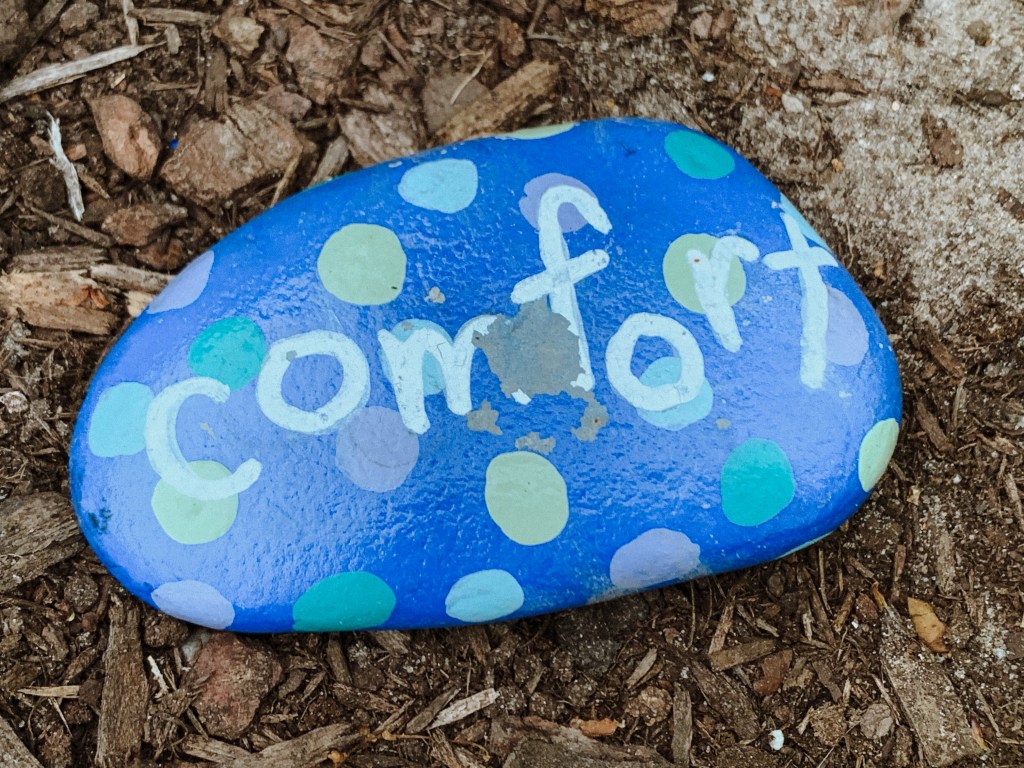
It was a rocky start and not in the way you would think. The rocky part of it was the successful part. When my daughter, Isabelle, was around eight years old, she began painting rocks. She’d collect buckets of rocks from a secret beach source lugging a filled container to the car. The rocks were of similar size – a bit smaller than her slender hand. At home, scattered on a tabletop she had tubes and tubes of bright colors. She’d start by brushing on a wildly bright base coat on each rock – Cornflower Yellow, Ocean Breeze Teal, Winter Plum Purple, Robin’s Egg Blue, Spanish Olive Green and so many more yummy colors. Each coating would be followed by polka dots and other simple shapes. Lastly, on each rock an inspiring word was written – joy, comfort, hope. She had created a long list of words to choose from to paint on her rocks.
Her first market was the Suttons Bay Art Fair. The art fair supported young artists and always provided a tent for these young entrepreneurs to have a booth to sell their items. Before market day, Isabelle carefully wrapped each rock and placed them in a box. She got a cash box from her Grandma Goat (…there is also a Grandma Frog). Under the shade of the tent, she set up her booth of assorted painted rocks. It was her very first market. I stayed at the art fair with her, sitting quietly behind her watching her sell her rocks. Her booth was the busiest one in the tent. People would come by and remark, “Oh, you’re the talented girl with the painted rocks for sale.” Everyone who came to her booth left with a rock or two. I couldn’t tell if she felt overwhelmed because she looked cool as a cucumber as she conversed with customers, wrapped her sold rocks, and calculated the change from sales. It was a rocky start for sure and she was all smiles.
(Fast forward seventeen years later.)
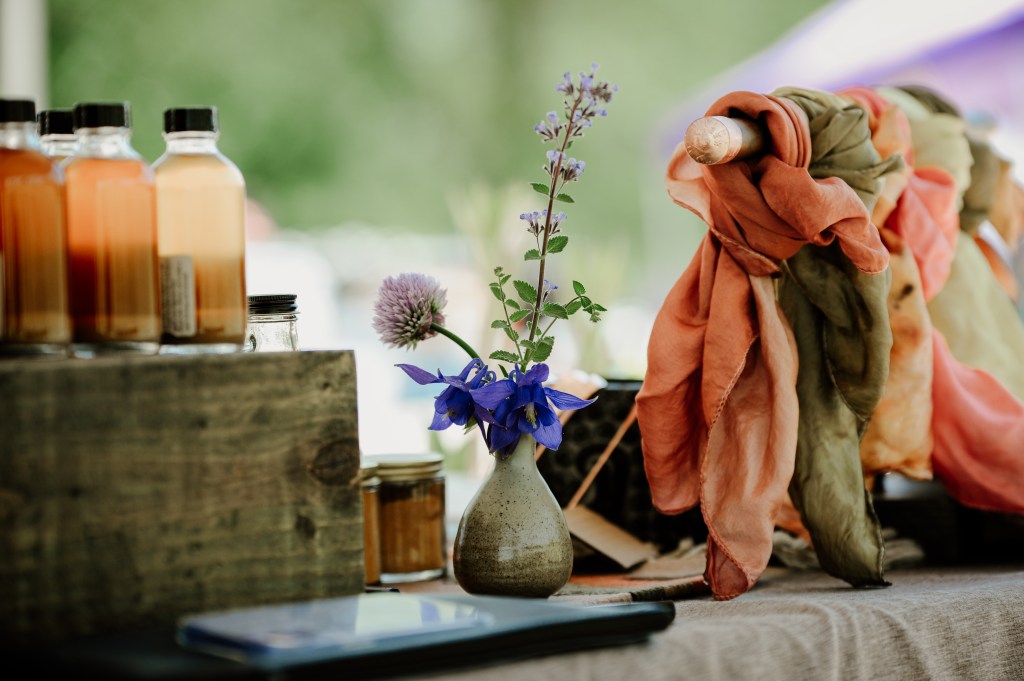
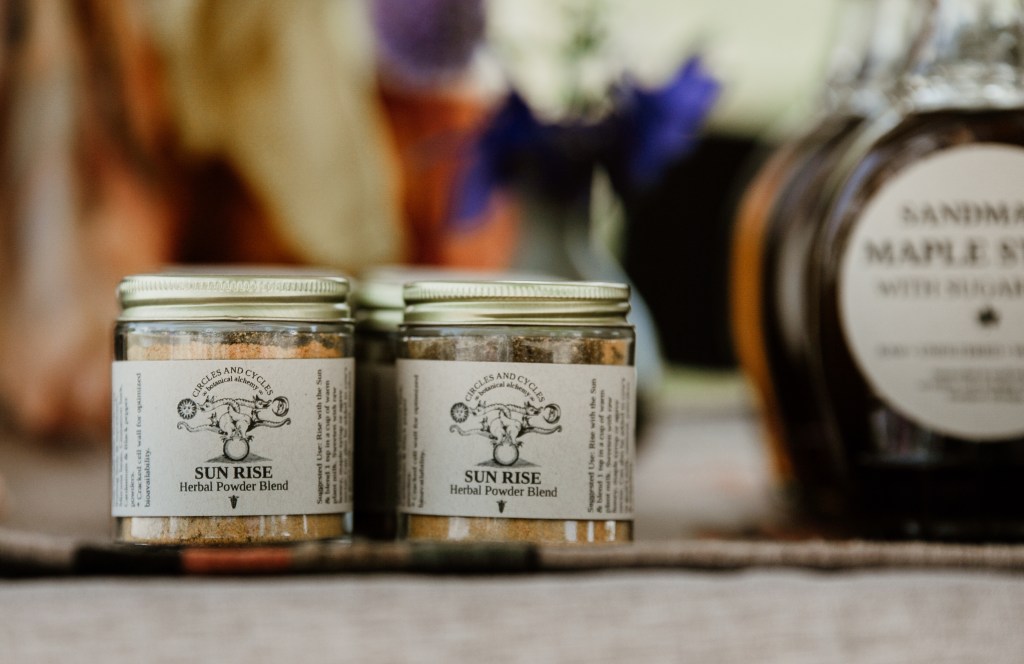
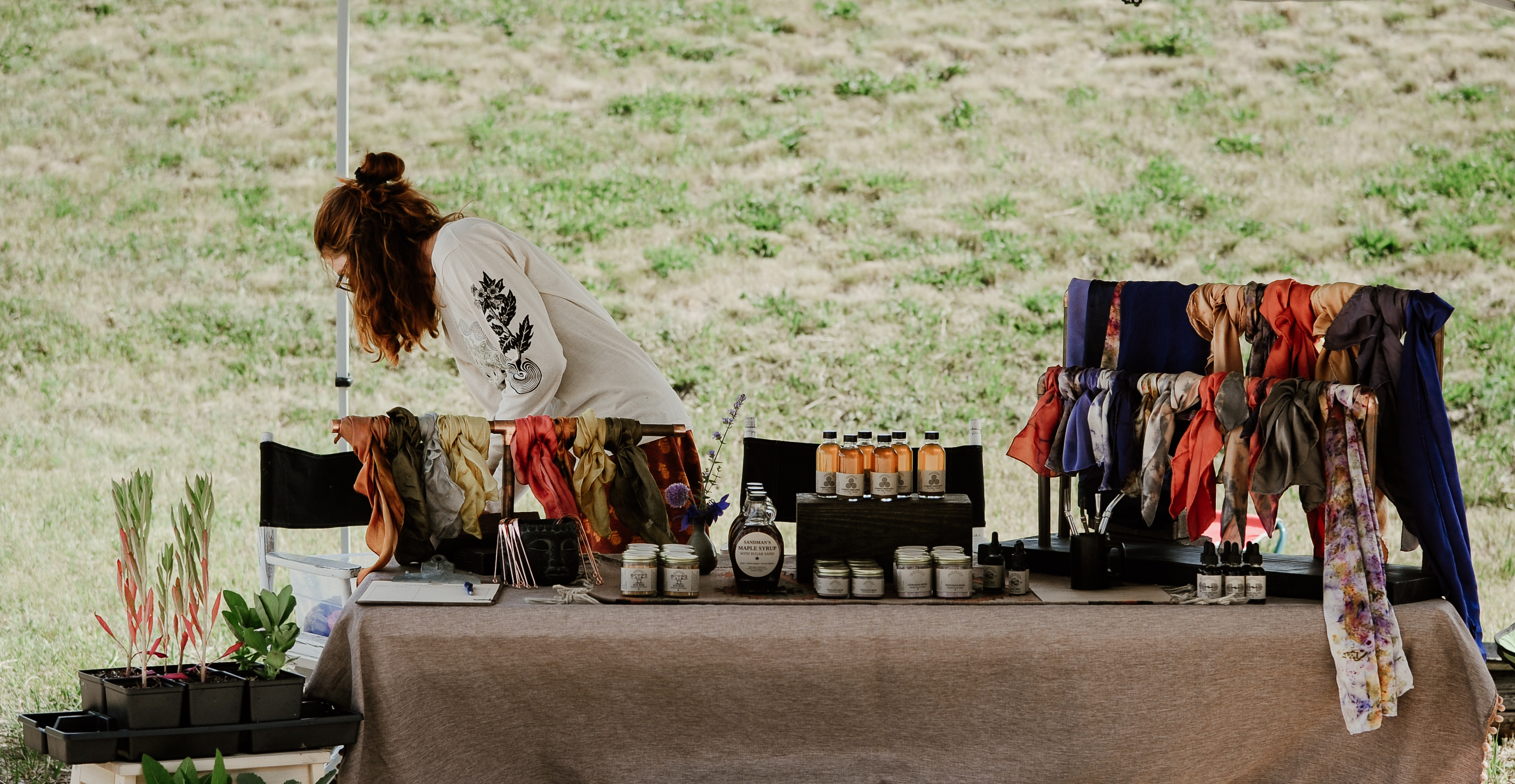
Again, I had the opportunity to join Isa at her first market. It would be the Florence Fest at the Grow Benzie market. Over the course of many months, she had been diligently creating her products – herbal medicines and skin care, natural dyed silks, native and medicinal plants. Again, she methodically planned out her first market from product to set-up. Again, I was able to sit under the shade of her tent and quietly watch her. Again, she engaged with her clients and poetically told them about her products. She was flawless. She was confident. She was beautiful. As her mom, I was bursting but not with pride. Pride wasn’t mine to feel. This was HER achievement. I was bursting with pure joy. The joy of still being able to “ride along” during these times. To watch her create. It is something amazing to see your child do what they love. I am grateful for these times that seem so simple but in fact for me are so very BIG for this mama’s heart. Isa’s first market as an eight year old was a wonderfully rocky start and as an adult she is still rockin’ it.
Just the other day as I was cresting the hill on the road near my childhood home, the Egg Lady popped into my head. I haven’t thought about her in years. Egg Lady? Who is the Egg Lady, right? The Egg Lady for me is a sweet and carefree childhood memory.
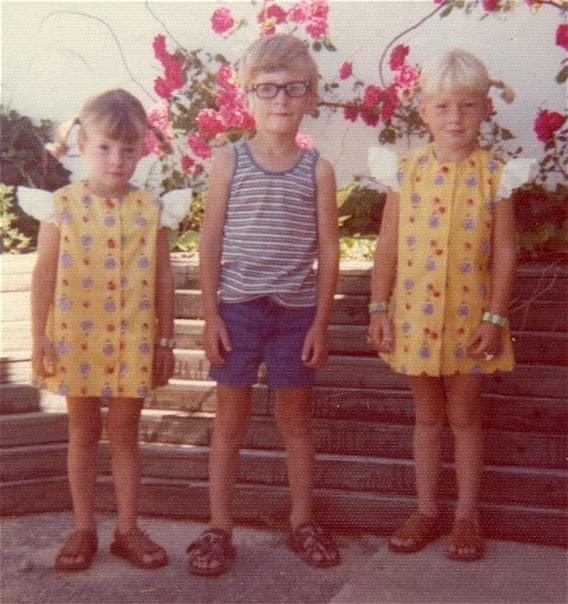
Many years ago, before the dinosaurs roamed the Earth, I was a child. I was a country child with a home nestled in the middle of cherry orchards on the lakeside and cornfields on the other. I enjoyed being a country kid. I was raised on fresh garden vegetables and farm raised chicken eggs.
Just up the hill from our house lived the Egg Lady in a white, two-story farmhouse that stood proudly among the red cowshed, piggery, and coop. Every Saturday, my mother would need more fresh eggs. Situated on the kitchen shelves built by my father, sat four empty, plastic peanut butter buckets. Yes, they were buckets. If an empty egg carton was cut in half, the two halves could fit perfectly inside a bucket. Safe. Protected. These buckets labeled “Peanut Butter” were the protective vessels that I, along with my brother and two sisters, would grab as we headed out to the Egg Lady’s house.
Promptly after a summer morning of Saturday cartoons, we would each grab a bucket, dash to the garage and hop on our bikes. My bike was a purple Schwinn with a white banana seat and high handlebars. It was a sweet ride. With buckets dangling from our handlebars, we would ride down our dirt driveway as the gravel crunched under our tires. At the end of our driveway, we would turn left onto the paved, country road toward the Egg Lady’s house. Off to our right was a forever view of Lake Michigan with cornfields and fruit orchards sharing the same space of beauty. The four of us would pedal and pant as we climbed the gradual hill to the Egg Lady’s farm. Wind whipped. Chains creaked. Seats squeaked. The glorious sounds of riding our bicycles along the country road. We never complained about having to make this ride.
After riding our bikes a quarter mile down the road, we arrived at the Egg Lady’s house. Without hesitation, one of us would jump off our bike and knock on the farmhouse door. Moments later, the Egg Lady would appear. She was a tiny lady with round glasses and short, permed hair. Brown farm boots, jeans, and a worn flannel was the only attire I knew her to wear. She would greet us and lead us into the kitchen that seemed to always smell of freshly, baked bread or pie. The wood floors creaked as we went to the back pantry to fetch the eggs. We would exchange our empty egg carton halves for full ones. Sometimes we would watch as she candled each egg under a bright beam of light. Each egg would light up clear and translucent like a light bulb. This simple and silent process of candling captivated my siblings and me. We waited patiently and with awe to see if our eggs were without chicks. Finally, she would gently pack our egg cartons into the peanut butter buckets then snap on each lid. Leading us past the baked bread and pies, she bid us farewell as the screen door snapped shut behind us.
With our precious cargo dangling from our handlebars, we waved goodbye to the Egg Lady and headed home. The ride home was slower and yet easier as we coasted downhill back to our driveway that again crackled with gravel under our tires. Four dozen eggs would be delivered to my mother from the Egg Lady’s farm. The Egg Lady. A lifetime when all that mattered was getting a peanut butter bucket full of eggs safely home to mother.
It’s not a trick question. There are numerous words that begin with the letters ‘RE’. Since moving back to our up north farm there are a few of these words that resonate with me. Reconnect. Rediscover. Reflect. Renew.
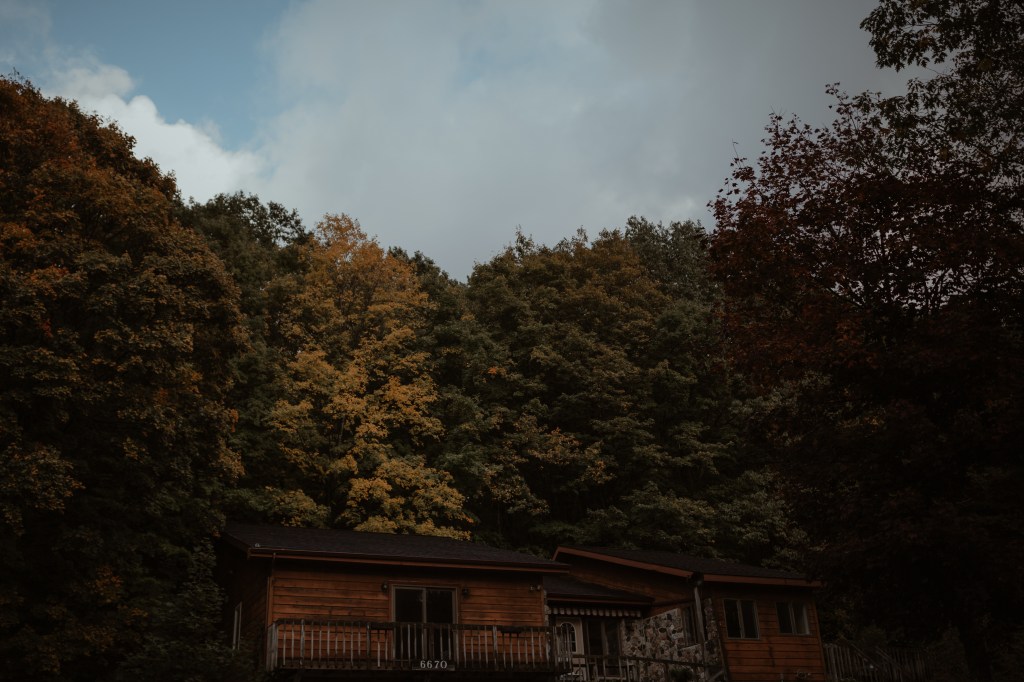
Reconnect. In the late 1990s, we purchased this 12-acre farm located in a valley from my grandfather who I called Grandpa Jack. This plot of land holds many childhood memories for me. When we had the opportunity to buy the farm, my husband and I jumped at the chance. We had recently built a home just outside of Leland at the time. Without much hesitation, we put the Leland house on the market along with the vacant lot next to it. The farm would offer us so much more than our town house would. The farm had a barn with four horse stalls. It had fruit trees. There was a fresh water spring that fed a creek that diagonally cut across the property. It was surrounded by a wooded area that various species of trees populated. Above the valley where the house and barn sat, was a steep hill that overlooked the property and Lake Michigan. But the best part was that the property had memories. My childhood memories. It was my desire to reconnect with this sacred land so it could begin to create memories for my own children. Now, I have returned again to reconnect and continue adding to my memory bank.
Rediscover. Being back at the farm has allowed me to rediscover why I have loved this property so passionately. This rediscovering has been facilitated by my daughter – Isa – who is studying permaculture. Through her knowledge and guidance, I am discovering the ever present potential of the farm. She is showing me how we can provide for the land and honor what it has to offer. I am excited to work alongside her as she plans and teaches me how to truly value the beautiful gifts of nature that this farm if giving us.
Reflect. When we first moved to the property, we seemed to be on overdrive. Things were done quickly and with short-term goals in mind. However, this return is allowing for reflection – a more thoughtful, longterm approach to how we envision the property. This will be our last move. (This was our 12th move and we aren’t even a military family.) This will be our retirement home. This will be the space that my children inherit. This reflection includes walks around the property, residing in the house, discussions with my family, and observations of plant growths.
Renew. Being on the property, I feel renewed. I made it back and now I can submerse myself in projects on the property. I can renew my creative spirit. I can renew my love of the property. I can renew the life I once had.
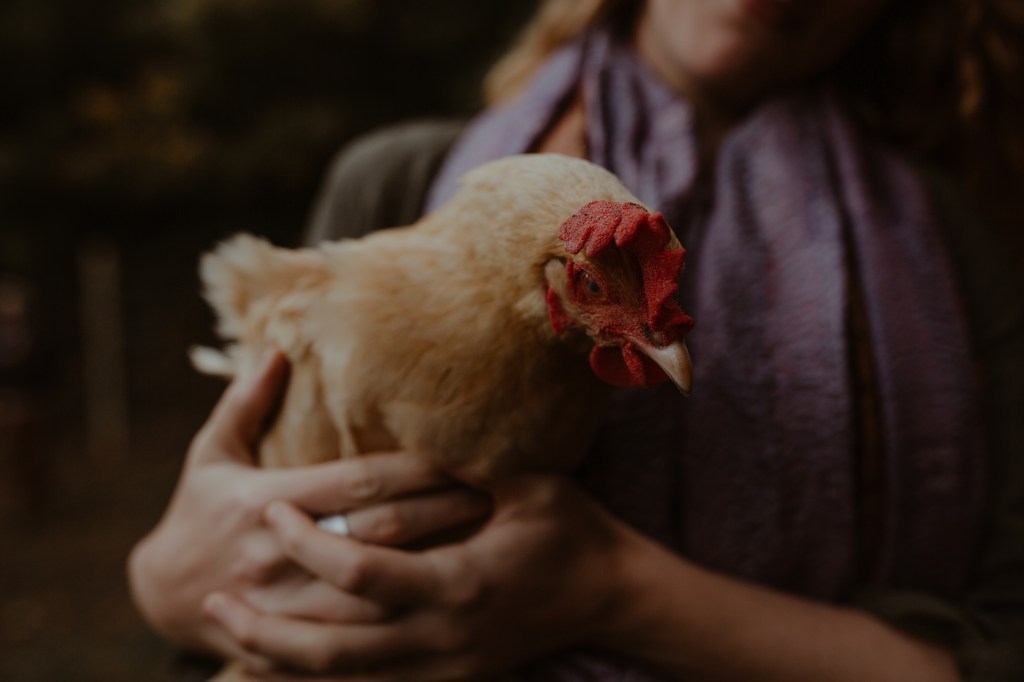
Chickens. Yes, I have them. I have many of them. I started with my seven original girls of which only three are left. But my flock has grown from there… a lot.
Selling our house meant moving all the chickens. Mind you, it was more than seven chickens that needed to be moved. Before relocating them, we had to build a run for them and move their coops. Then we could move them.
With location input from my daughter, Isa, we decided to place the new run on the northeast corner of our property. The area was formerly a part of the original paddock that my grandfather installed for his horses. The wooden posts have since been weathered and many have been removed. We have used much of the old fence planks for renovations we have done on the apartment and the main house.
I wanted a large run area because I have well over fifty chickens – yes, you read that correctly. There will likely be more because I plan to let one of my broody hens sit on eggs this spring. Having a large run meant digging many post holes. We used 8-foot tall, treated fence posts. My husband dug holes and set posts for the first half of the run. The holes were dug down two feet deep as I wanted the fence to be 6 feet high. I dug the remaining holes. Then with the help of my husband, I set the posts for the final half of the run. “What is it, the first hole I dug? I’ll **cking dig a hole. Where are the shovels?”
We decided to install two gates – a small one for daily use and a large one for vehicle entrance when needed. The small gate was built by my son, Sawyer. On it is a sign that reads, “Keep gate closed no matter what the chickens say.” My mother gifted it to me. Trust me, my hens will try to convince you to open the gate for them.
Once the fence posts were erected, I spent a total of three evenings – on my own – installing the wire fence around the run. I had done it before at our other house. It is important to leave about a foot of fencing at the base and to bury it. This helps with critter control and escapees. The rolls of wire fencing are heavy and by the 2nd night I finally developed a strategy of rolling the fencing out on the ground the length of the fence side I was working on. Then I would prop up the roll at the end against the corner post. From there I lifted and temporarily attached the fencing about every third post. Inclines are tricky when you are installing a fence. Not impossible, but definitely tricky.
After the wire fencing was installed, my husband and I spent an afternoon putting in the small gate. He had already installed the large gate when he had set the first round of posts. Now we were ready for the coops. Trust me, moving coops is not easy and takes coordination, manpower and big equipment. We had two coops that we needed to relocate to the new chicken sanctuary.
My husband coordinated the entire move. He enlisted the help of two local farmers – one to help load the coops and one to help unload. I have found that local farmers are some of the most helpful and knowledgeable people. This task would have been near impossible without their help and guidance. Our local farmers are an asset to our community and I am deeply grateful for the assistance of these two local farmers during the move.
Secured coops at the new location meant we were ready for chickens. It was time for the big move of nearly sixty chickens. How does one move that many chickens? It takes some planning. The night before the move, I made sure all my hens were secure inside a coop. Some of my girls would perch in the partially enclosed feed storage area. But that night, I put them inside a coop. The next day, I kept them inside the coops and did not let them out at all. They needed to stay inside until we were ready to move them. It rained all day.
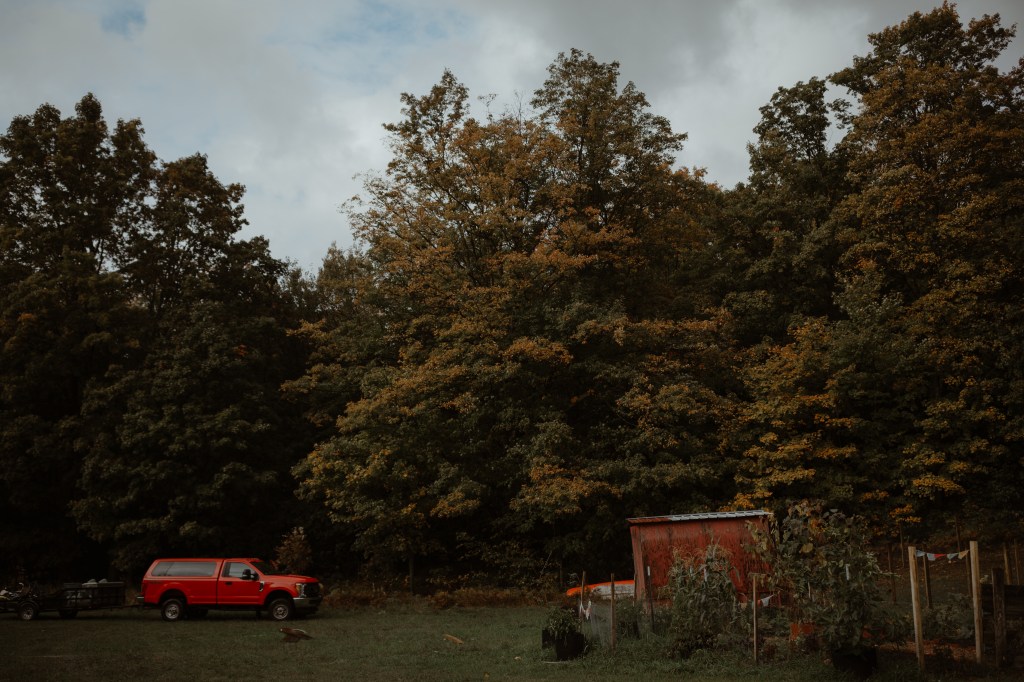
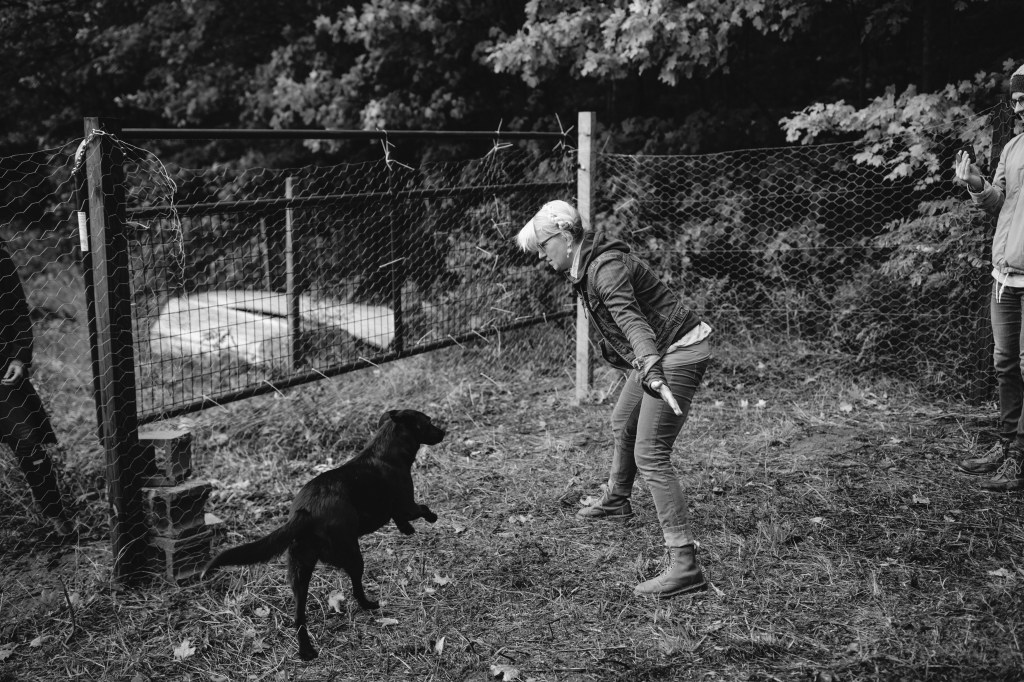
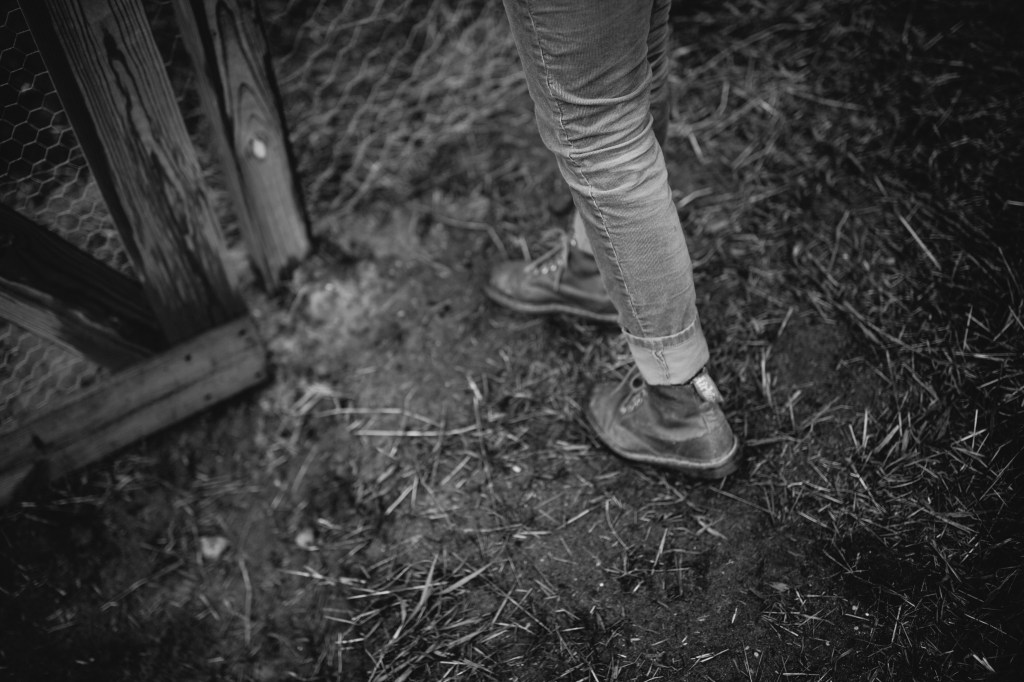
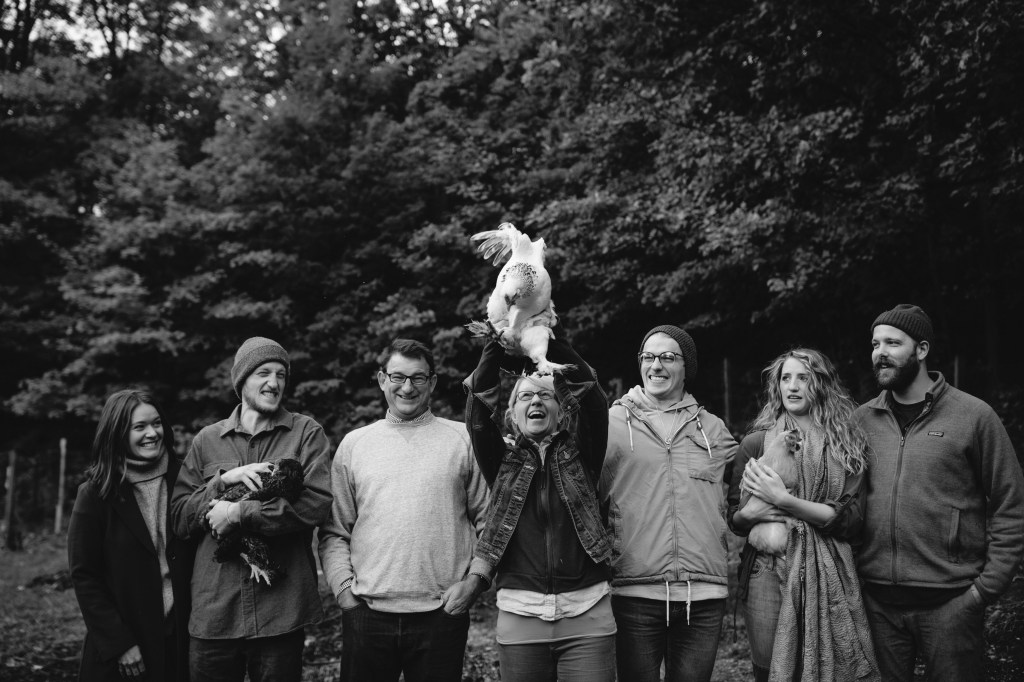
In addition to moving the chickens, we had family photos scheduled at the farm. The photographer, Jessie Zevalkink, is a documentary style photographer. I thought it would be fitting for her to not only photograph my family but to also visually document the chicken move. Therefore, we had to time the arrival of the chickens to the arrival of the photographer.
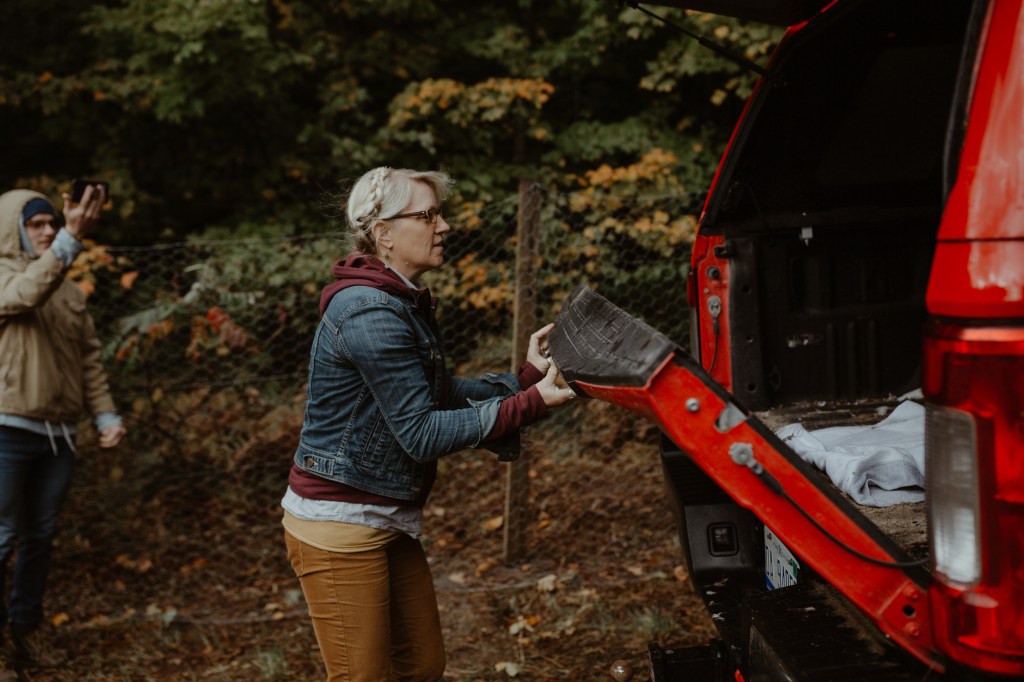
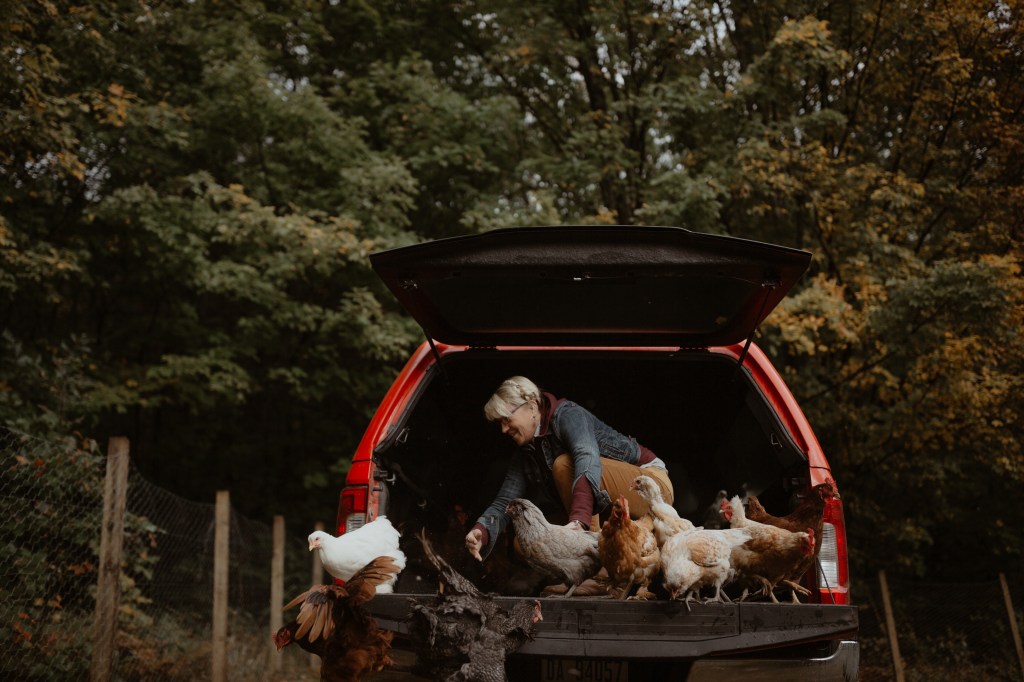
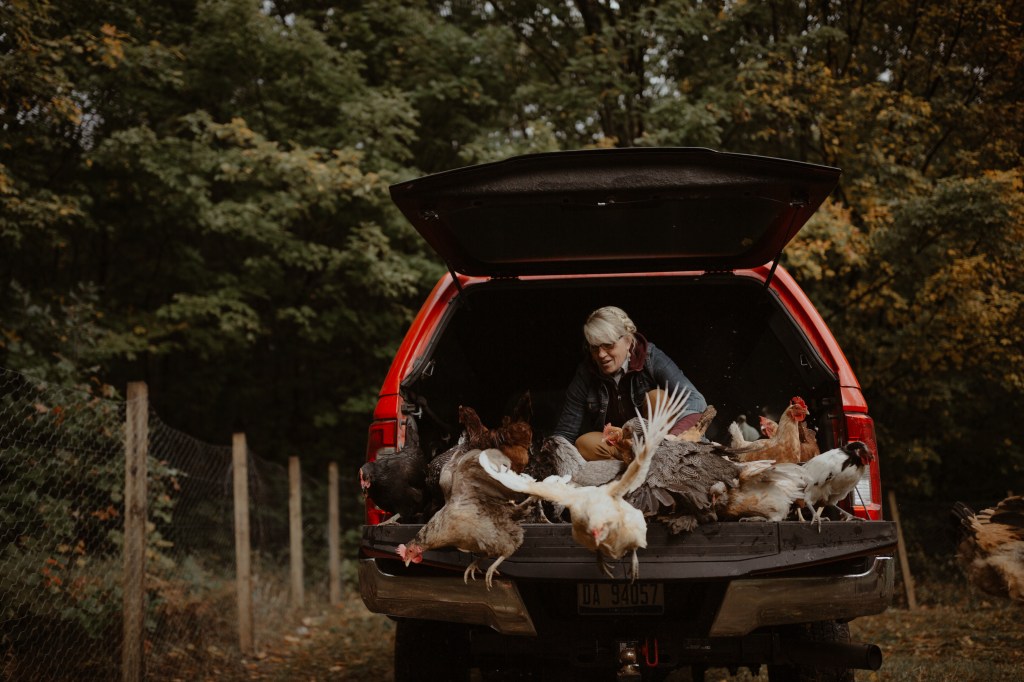
Luckily, the rain let up and around 3:30p that day we began to load the hens into the back end of my husband’s F-350 Ford truck. One-by-one and sometimes four hens at a time – I am a master at holding multiple chickens at once – we loaded them into the truck. A few screeching squawks, a few flying feathers, and a few pitiful pecks later, we had all sixty-some hens loaded into the truck.
I joined the hens. I wanted to make sure they were safe and calm for the transport. The trip was slow and steady with my husband navigating every turn and bump carefully. When we finally arrived at the farm, the photographer was there waiting. Perfect timing. In addition, the rain had subsided and the radar on my phone indicated we had a window of about an hour before the rain returned. It was “go time”.
Armed with her camera, Jessie was ready to capture the release of my hens from the truck. My husband opened the tailgate of the truck as I waited inside with my girls. Surprisingly, once the gate was open my hens made no effort to leave the back of the truck. With my arms flapping and some herding, the hens began to hop and fly out of the truck. Finally, they were inside their new run area. They were a bit frantic at first but quickly calmed down and settled into scratching and exploring. They were happy. I was happy. Mission accomplished.
When my husband had first indicated to me that he wanted to sell our Maple City house, the first thing I thought of was “what about my chickens?” It was a daunting task to move them but worth it. My husband knew that to ease the anxiety that sometimes comes with moving, that I would need to have my chickens. My hens are currently settled into their new home. My daughter, Isa, has helped to take care of them during the transition. The hens’ eggs will go nicely with her farm market during the next harvest. So it is official – the Happy Hens Homestead has been relocated to our family farm located in Northern Michigan. Happy hens, happy me.
(Sidenote: All photographs were done by the talented, Jessie Zevalkink of J.Kevalkink Photography. She’s an adventurer and has sailed the Atlantic Ocean along with her husband.)





 Life On Willow Glen Farm